Pension payments by power of attorney or to the home address
The National Bank of Serbia today issued instructions on how pensions will be temporarily paid to people over 65 who cannot go out because of the coronavirus, and whose pension payments begin on Wednesday. Banks are required
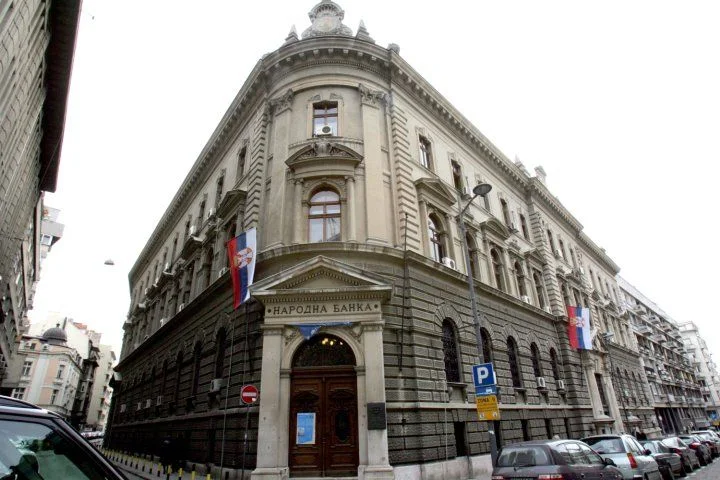
The National Bank of Serbia today issued instructions on the temporary payment of pensions to people over 65 who cannot go outside because of the coronavirus and whose pension payments begin on Wednesday. Banks are required, it says, to enable pensioners to withdraw cash from their payment accounts by providing payment services in one of the following ways: either by paying pensions at the bank’s premises to an authorized person on the basis of a one-time power of attorney authorizing that person to collect the pension, or by delivering the money to the person’s home in cooperation with the public company Pošta Srbije.
A pensioner may choose one of the methods of pension payment by calling the bank’s dedicated telephone line, which is open solely for this purpose. They must state the amount of money they would like to receive through one of the methods. Anyone who does not want their pension paid this way should say so.
Pensions are paid to an authorized representative acting under a power of attorney, provided that a copy of the power of attorney is submitted to the bank. The power of attorney does not need to be certified by the competent authority; the bank can verify its authenticity later by calling the pensioner on whose behalf someone is collecting the money.
To ensure pension payments at home, banks and the Post Office are required to pay the pension in the amount chosen by the recipient on the same day that the Pension and Disability Insurance Fund transfers the money to the bank. The bank must arrange for the money and payment orders to be packed in triplicate in envelopes bearing the address and contact telephone number of the pensioner to whom the money is to be delivered.
The Post Office will deliver one copy of the receipt for the money delivered to the bank as proof that it reached the correct address. If the pensioner is not at the registered address, Post Office staff will leave them a delivery notice, and the item will be held at the Post Office for the prescribed period.
The post office is also required to provide a dedicated telephone line that anyone who has not received their pension must call. These NBS instructions also apply to pensioners whose pensions come from abroad, for example through transfers to an account held at a bank in Serbia or by cheque.
As of the date this instruction takes effect, the bank must contact its customers by telephone to find out how they would like their pension paid under the emergency conditions. To make the whole procedure easier for everyone, the NBS has also provided a sample authorization form below this instruction on its website, which can be filled in and is required for someone else to collect a pension.
You can download the instructions here.