Today is Đurđevdan
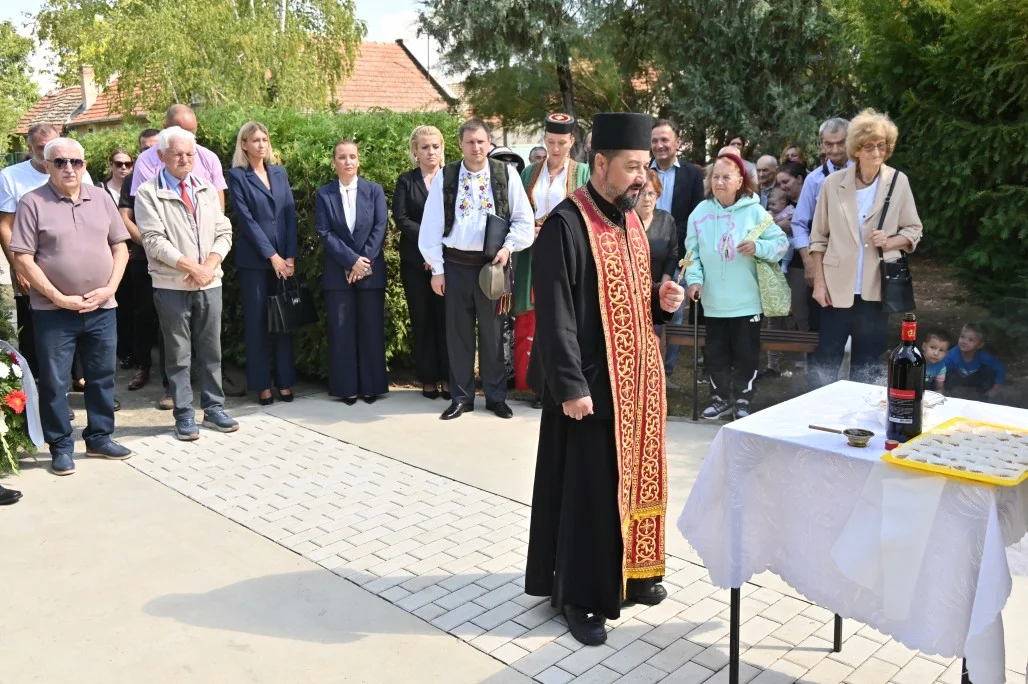
The Serbian Orthodox Church and its faithful celebrate today the feast of Saint George the Great Martyr and Victorious—known popularly as Đurđevdan. In Serbia, Đurđevdan ranks fourth in the number of people celebrating it as their patron saint’s day, while the translation of Saint George’s relics
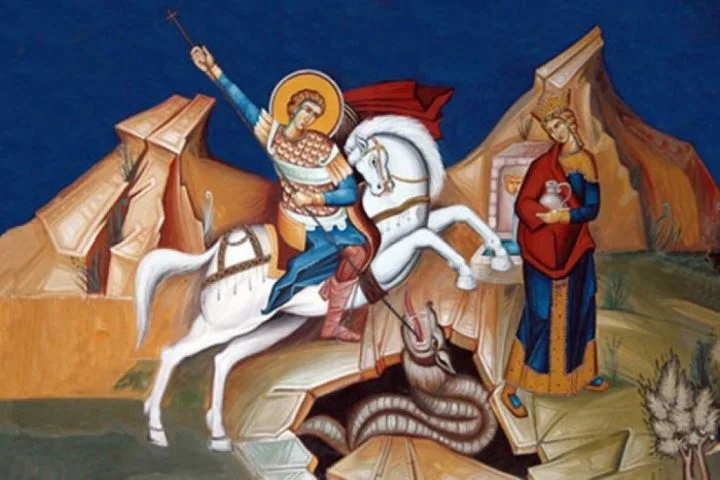
The Serbian Orthodox Church and its faithful celebrate today the feast of Saint George the Great Martyr and Victorious—known popularly as Đurđevdan. In Serbia, Đurđevdan ranks fourth in the number of people celebrating it as their patron saint’s day, while the translation of Saint George’s relics, Đurđic, ranks eighth.
St. George’s Day is celebrated on 6. May, and Đurđica on 16. November according to the Gregorian calendar. St. George’s Day is also the patron saint’s day of many Orthodox Serbs and Roma, and, according to a folk song, was the patron saint’s day of Prince Marko as well. St. George’s Day is among the biggest spring holidays. According to traditional, customary timekeeping, St. George’s Day marks the midpoint of the year: time was counted from one St. George’s Day to the next.
Houses are decorated with willow branches and greenery. Wreaths are woven from herbs and hazel twigs, then thrown onto the roofs of houses or placed on gates and stable doors.
Many people do not consume sheep’s milk or lamb until this spring feast, nor do they sleep outdoors before Đurđevdan. In addition, many do not milk their goats and sheep until that day; on Đurđevdan they milk all their small livestock for the first time and make cheese, taking the first curd to a priest for a blessing.
If the weather is clear on Đurđevdan, it is believed, the year will bring a good harvest. If it rains that day and the next, the summer will be dry. If it rains on the third day, that is, on Saint Mark’s Day, the summer will be rainy.